
Structural Drying & Dehumidification · Overland Park

Structural Drying and Dehumidification in Overland Park, KS

We pull hidden moisture out of framing, floors, and concrete across Overland Park, KS, then prove the home is dry before we leave.

Free Quote

Free Structural Drying & Dehumidification quote.

We reply within 1 business hour. No spam, ever.

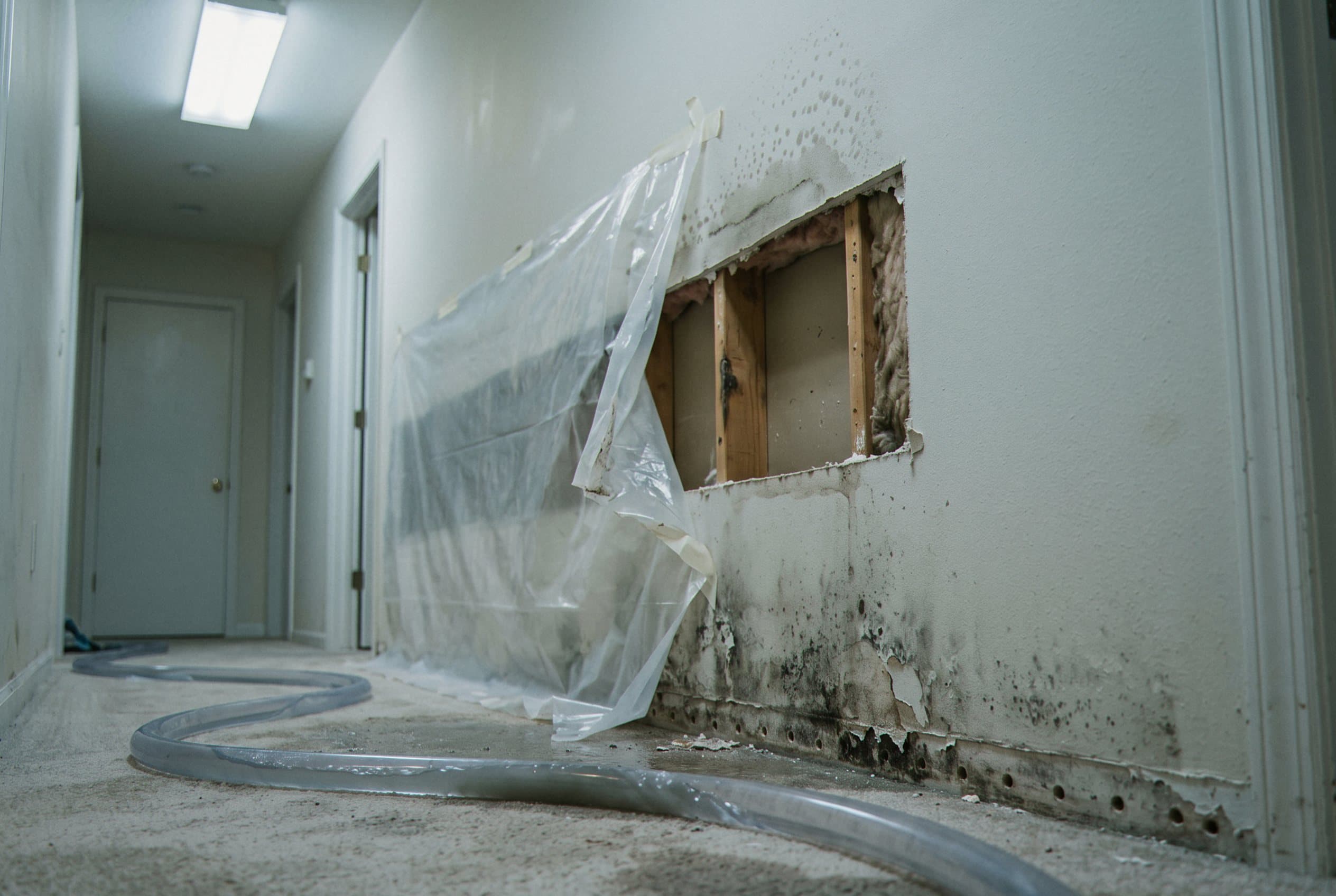
Wet damp interior walls and floors
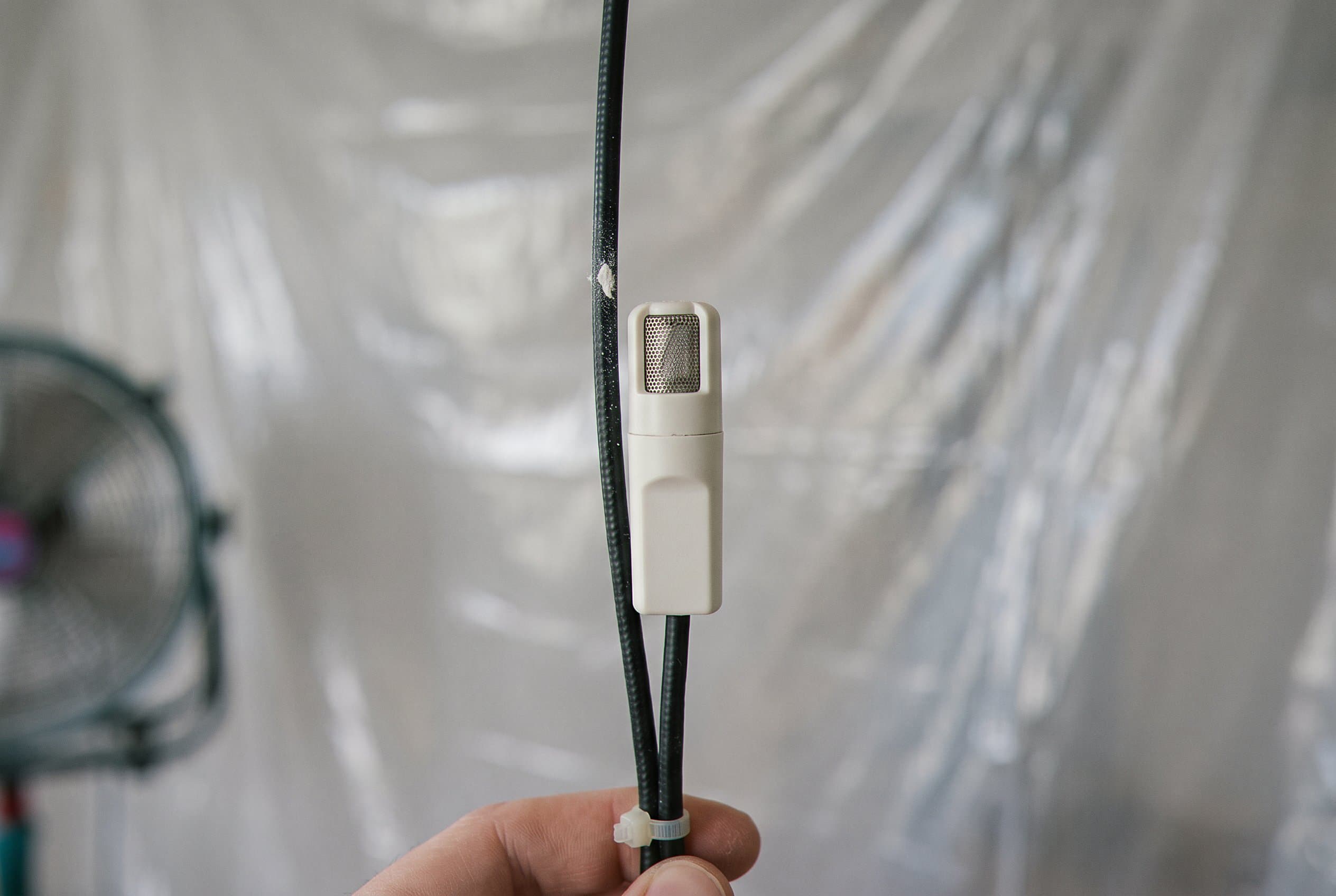
Close-up saturated wood structural member
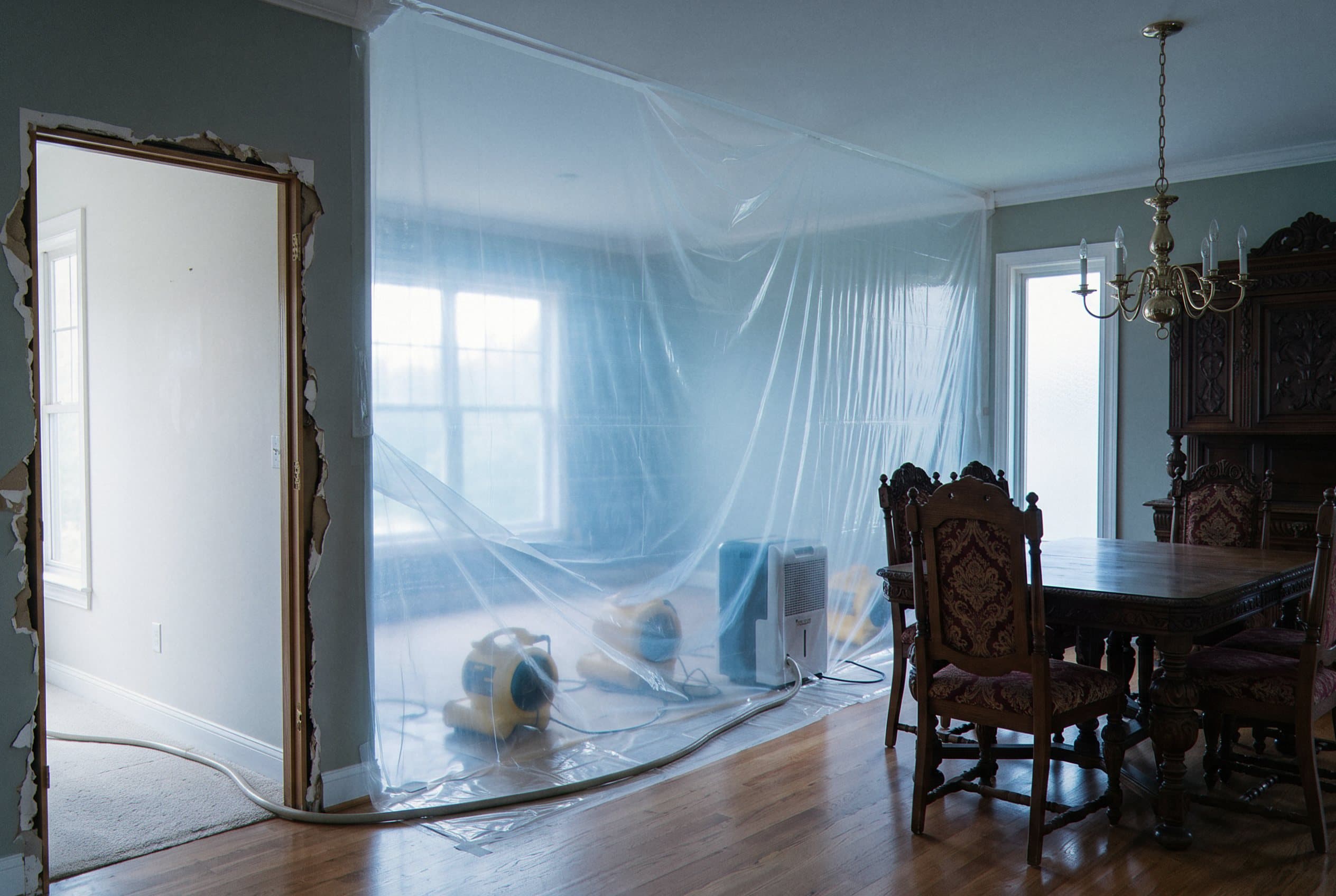
Dehumidifier unit removing moisture from air
What we install

How we dry an Overland Park home to the core

When water sits in a home, the damage you see is only part of it. Moisture soaks into drywall, wall studs, subfloor, and the concrete in your basement. Our crew handles the drying phase after the water is gone. We set air movers and dehumidifiers in the right spots, then track the moisture every day until the building is dry to the core.

Overland Park homes take on water in a lot of ways. A storm pushes rain through a foundation crack. A supply line lets go under a sink. A water heater fails in the basement. Whatever the source, wet framing and flooring will grow mold within a day or two if nobody dries it out. We work fast so a small loss does not turn into a gut job.

  • We map the wet areas with moisture meters so nothing hidden gets missed.
  • Air movers and dehumidifiers run together to pull water out of framing and floors.
  • Daily readings tell us when each room is truly dry, not just dry on the surface.
  • Drying in place often saves drywall and flooring that a rushed crew would tear out.
  • We follow the IICRC S500 standard for drying, the guide the restoration trade uses.
Drywall that looks dry on the surface can still be soaked an inch deep. We dry the structure, not just the room.

Drying is more science than guesswork. Warm air holds more water, so we balance heat, airflow, and the dehumidifiers to keep the moisture moving out of the structure and into the machines. Concrete and thick framing hold water longer than drywall, so those areas get more time. We document every reading. That record helps your insurer see the work was done right and the home was dry before we closed up.

If your floors are wet or your basement smells damp after a leak, call us today. We will come out, find the moisture you cannot see, and set up drying that actually finishes the job. Overland Park homeowners reach a local crew that does the work, answers the phone, and stays until the place is dry.
Materials

The gear we use to dry a home

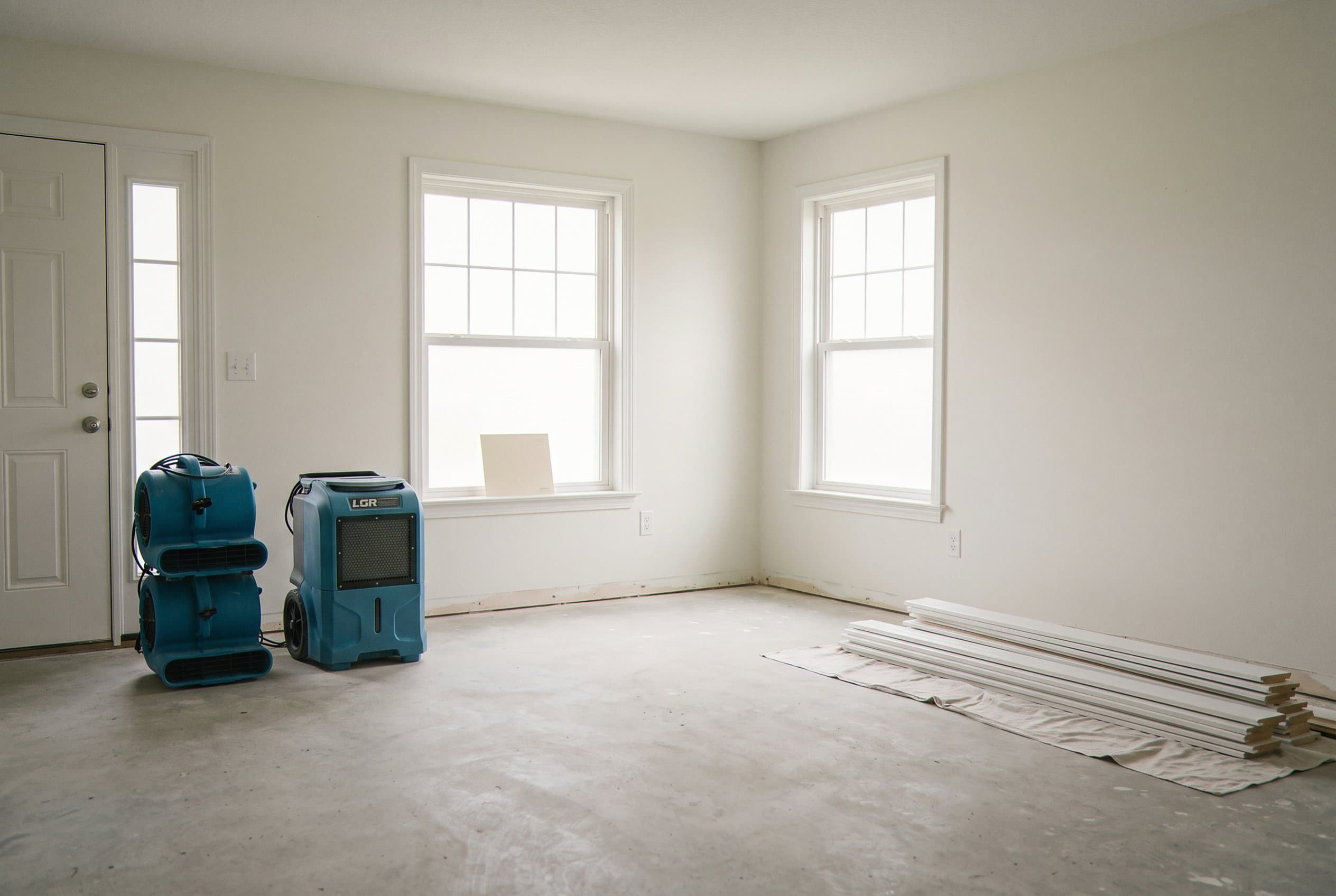
Good drying is simple in theory. We move a lot of dry air across the wet surfaces, while powerful machines pull that water out of the air and drain it somewhere safe. We bring air movers, dehumidifiers, and moisture meters to every single job in Overland Park. The air movers push a steady breeze along the walls. The dehumidifiers wring the damp air dry. The meters find the water you cannot see.

We do not push gadgets. What matters is the right number of machines, placed with care, and run long enough to actually finish the job instead of half drying it. A small bathroom leak might need a couple of units. A flooded basement needs many more. We size the setup to the loss, check it every day, and pull the gear only once the readings hold steady at a dry level.

  • Air movers create the airflow that lifts moisture off the walls and floors.
  • Dehumidifiers pull that moisture from the air and drain it away.
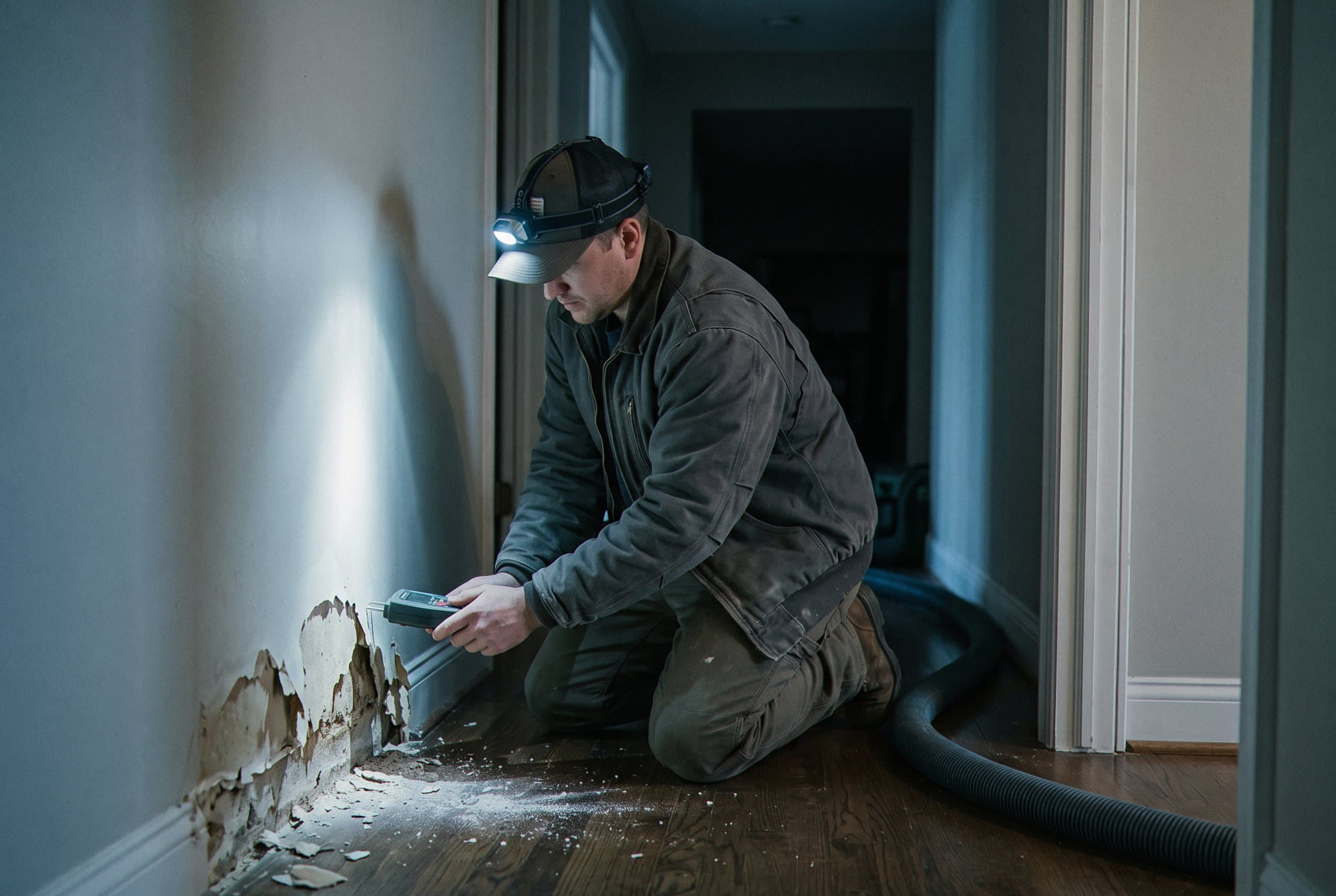
  • Moisture meters and sensors reveal the wet spots hiding inside your walls and under your floors.
  • Containment sheeting seals off the dry zone so the work moves faster.
Multiple air movers drying basement space
Fully dry interior ready for repairs
What about the alternatives?

Ways to dry out a wet home, compared

Not every drying plan fits every loss. Here is how the common options stack up for an Overland Park home.

Professional structural drying

We set air movers and dehumidifiers in the right spots, then track the moisture in your walls and floors every single day until the framing and the subfloor finally read dry to the core. This is the path that truly protects the home.

Recommended

Box fans and open windows

A couple of household fans move a little surface air, but they cannot pull the deep moisture out of soaked studs or concrete. Fine for a tiny spill, yet useless on a real loss.

Acceptable

A single rental dehumidifier

One small unit helps a closed room, yet it falls well short on a flooded floor or a soaked wall cavity. Better than nothing for a minor leak.

Acceptable

Tearing out wet drywall right away

Sometimes the cut is needed. Other times a rushed tear out throws away good material that careful drying over a few days could have saved without any demolition at all. We test first, then decide.

Acceptable

Waiting to see if it dries on its own

Trapped moisture feeds mold within a day or two. Doing nothing almost always makes the repair much bigger and harder.

Skip

Painting over a water stain

Paint hides the mark for a week, and then the damp wood warps, the brown stain bleeds back through, and the mold returns worse than before.

Skip
How it goes

From quote to walk-on, fast.

01

Your inquiry

Call or send the short form with what is going on at your place. A sentence or two is plenty for the first step.

02

We talk it through

We go over the situation on the phone, ask the questions that matter, and tell you what we would do next.

03

A clear plan

You get a plain-language rundown of the work, the order it happens in, and what to expect on the day.

04

The work gets done

Our crew shows up when we said, does the job, and walks you through the result before leaving.

Before you book

Common worries before we start drying

Most folks have the same handful of questions when their home is wet. Here are straight answers.

Will you have to tear out all my drywall?
Often no. We test the wall with a meter first. If we can dry it in place, we save the drywall and the paint. We only cut when the material is too far gone or the cavity will not dry.
How long does drying take?
Most homes dry in three to five days. The exact time depends on how much water there was, how long it sat, and how much concrete or thick framing has to give up its moisture. We check daily and tell you where things stand.
Will the machines run all night?
Yes. Air movers and dehumidifiers work best when they run without stopping. They make a steady hum, and they use some power, but stopping them slows the job and gives mold a chance.
How fast can drying start in Overland Park?
We can usually get a crew out the same day you call. The sooner we start, the more of your home we save, so we treat a fresh water loss as urgent.
How do you know the home is actually dry?
We take moisture readings every day and write them down. When the wood, drywall, and concrete read at a normal dry level and hold there, the job is done. We share those numbers with you.
Will my insurer accept the drying records?
That is one reason we document everything. The daily readings and photos show the loss was handled the right way, which helps your claim move along.
Aftercare

Keeping your home dry after we leave

Once the structure is dry, a few simple habits keep it that way. Overland Park gets heavy summer storms and the freeze and thaw of a Kansas winter, so water will find its way back in if you let your guard down. Watch the spots where leaks tend to start. Act early when something looks damp. Small fixes beat another full drying job every time.

  • Check your water heater, washer hoses, and the cabinets under your sinks for slow drips.
  • Keep the gutters and downspouts clear so storm water flows well away from the foundation.
  • Run a dehumidifier in the basement through the humid Kansas summer.
  • Seal foundation cracks before the spring rains push water through them.
  • Know where your main water shutoff is so you can stop a burst line fast.
  • Call us at the first sign of a damp wall or a musty smell, not weeks later.
Wet damp interior walls and floors
FAQ

Structural drying questions from Overland Park homeowners

Ready when you are

Let's make your next steps easier

Tell us what is going on at your Overland Park home and we will walk you through the options. One call or one short form is all it takes.

Call (913) 914-3439Make your inquiry
CallContact us