
Water Damage Restoration Overland Park
When water floods your Overland Park home, every hour matters. We are the local water damage restoration crew that picks up the phone, gets to your street fast, and dries the house the right way.
Water damage restoration in Overland Park, handled start to finish
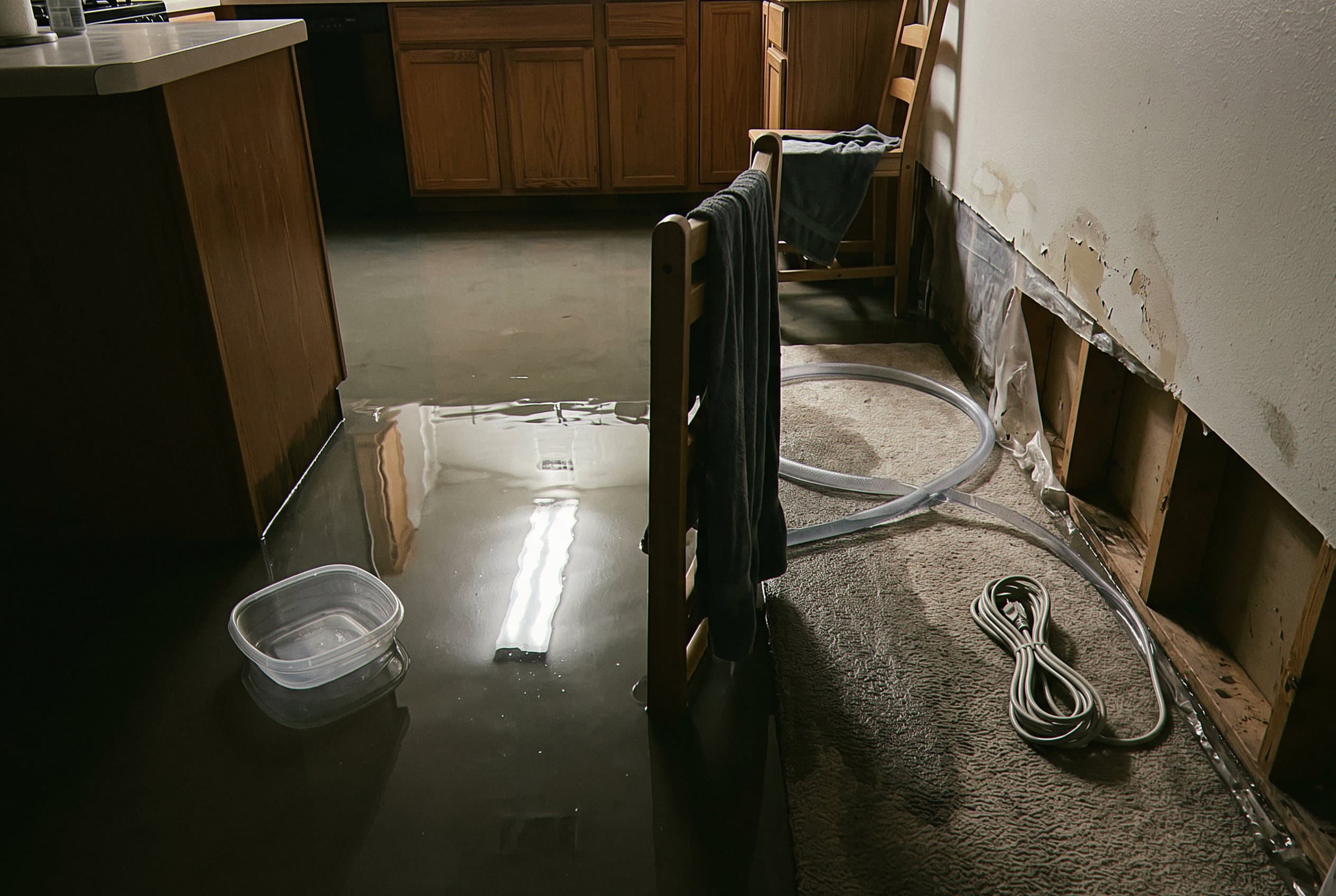
A water problem rarely picks a good time. A supply line lets go at two in the morning and you wake to the sound of it running. A summer storm dumps rain on Indian Creek and your basement takes on water by sunrise. The sump pump quits while you are at work over in Corporate Woods, and the water just keeps rising. Whatever started it, water damage restoration is the multi-step emergency work that follows: stop the water at its source, get it out of the house, dry the structure down to verified readings, and put the property back to the condition it was in before the loss. The urgency behind every one of those steps comes from a deadline that is not ours. The EPA advises drying water-damaged areas within 24 to 48 hours, because mold can begin growing inside that same window, and the CDC's flood guidance is blunter still: if a material stayed wet longer than that, assume mold is already there. That is why we keep our water damage restoration crew ready every day across Overland Park. You call, and we start the work on the same visit. There is no phone tree and no waiting until Monday. When your home is taking on water, the clock is the whole game, and beating it is what we are built for.
We are based right here in Johnson County, so we know the homes and the weather that beats on them. Overland Park summers bring hard thunderstorms, heavy hail, and the kind of flash flooding that can fill a finished basement in under an hour. Spring storms roll through Tornado Alley and drop more rain than the ground can take. Winters swing cold, and a frozen pipe behind a wall can split and soak three rooms before anyone hears a drip. Most homes around here sit over a full basement, and a basement is exactly where water likes to settle and sit. We have pumped out, dried, and rebuilt those lower levels in neighborhoods from Leawood to Olathe, and Flood Damage Cleanup after a hard storm is one of the most common calls we run. Our water damage restoration crew has seen what this climate does to a house, season after season. So when you tell us what happened, odds are we have stood in a basement just like yours and fixed it.
The most common water damage calls we run in Overland Park track the seasons. Spring and summer are storm season: hail-driven roof leaks, flash flooding off a slow-moving thunderstorm, window wells overflowing, walkout basements taking the runoff from an entire yard. Right behind those come sump-pump failures, usually discovered the one night the pump was needed most. Winter cold snaps bring burst and frozen pipes, most often in an exterior wall or an unheated corner of the basement, and the flood starts the moment things thaw. Year round we get the appliance calls — water heaters that let go, washing-machine hoses, dishwasher supply lines — and the occasional sewage backup when an overwhelmed main or an old clay lateral pushes water up a floor drain. Different sources, but the same first hour every time: stop it, pump it out, start drying.
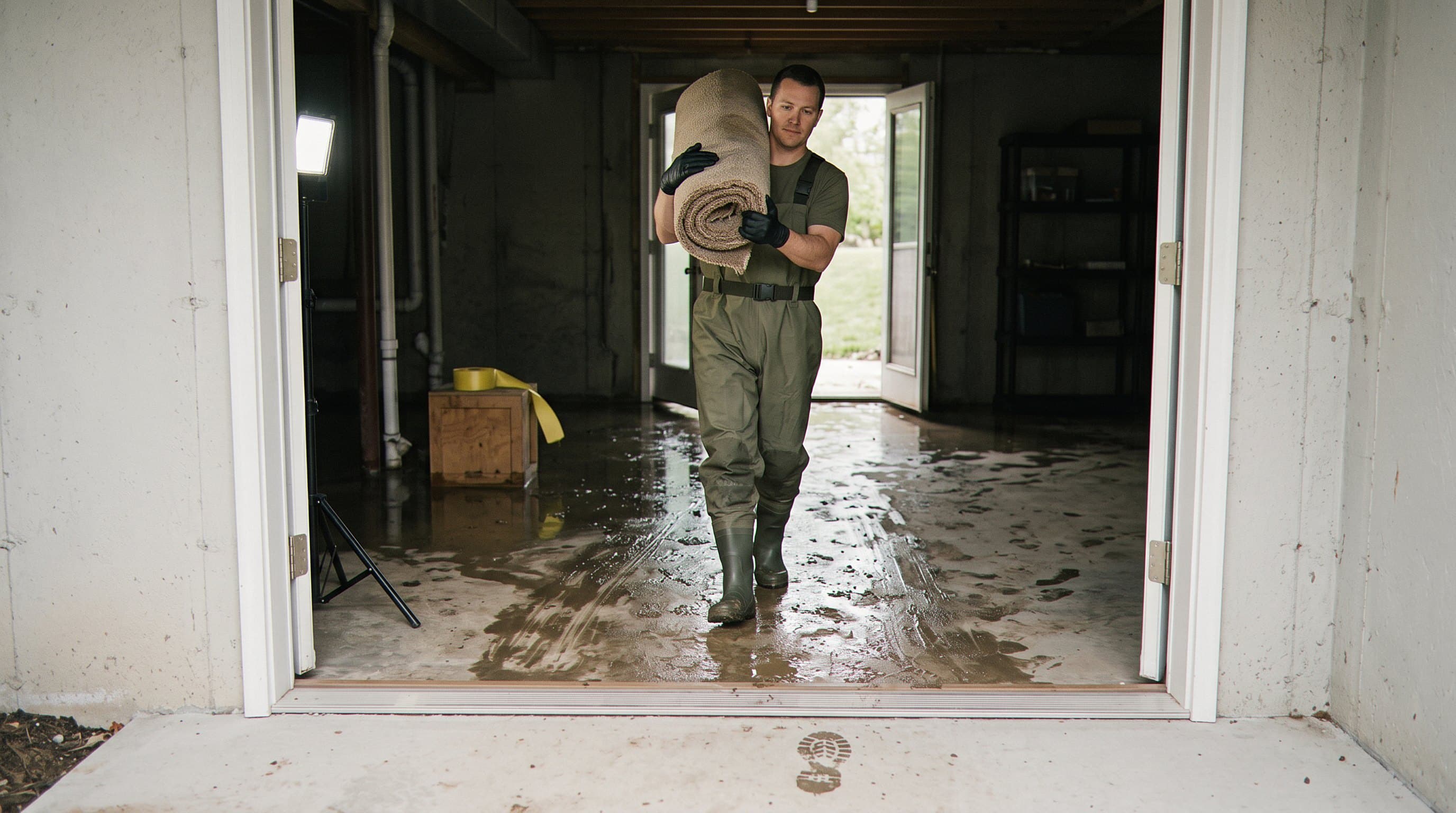
Every water damage restoration job starts the same way. We stop the water and protect what can still be saved. The crew pulls standing water out, lifts soaked rugs and pads, and moves furniture up off the wet floor before it stains or swells. That first push is the Emergency Water Removal stage, and the faster it happens, the less your home drinks in. A sofa moved in time dries out. A sofa left sitting in two inches of water is gone. Once the standing water is out, we measure how deep the damage really runs, because what you see on the surface is almost never the whole story. Water wicks up drywall like a paper towel. It slides under tile and laminate. It hides inside wall cavities and under cabinets, in the dark warm spots where mold can take hold within a day or two. We find those hidden pockets with moisture meters so nothing gets left wet to rot quietly behind a finished wall.
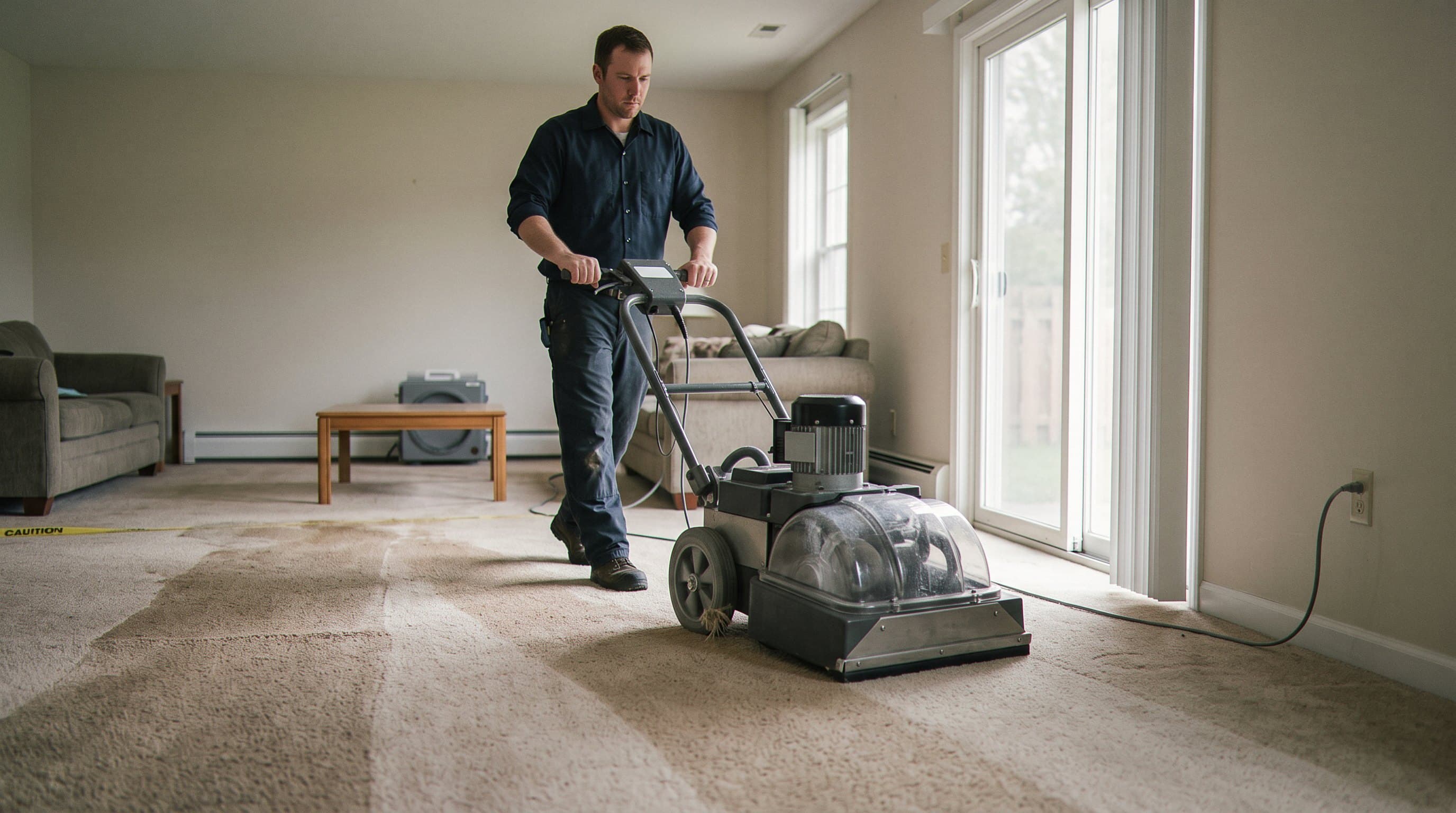
From there the job moves into Water Extraction and drying, and this is where real equipment earns its keep. We bring truck mounted pumps and strong extractors that pull water out of carpet, pad, and the subfloor underneath. A shop vacuum cannot touch what these machines move. Once the bulk water is gone, we set air movers and dehumidifiers around the room and start drying the structure down to the bone. This is the stage where shortcuts cost you the most. A floor that feels dry on top can still be soaked underneath, and trapped moisture is what warps hardwood, buckles laminate, and feeds mold for months. So we do not guess. We meter the moisture in the walls and floors every single day, write down the numbers, and keep the machines running until those numbers say the house is truly dry. Then, and only then, do we pack up the equipment and move on to repairs.
All of this runs on one simple promise we can actually keep. We do the work ourselves, and we keep you in the loop the entire way. You will know what we found, what we are doing about it, and what comes next, in plain words instead of jargon. Water damage restoration is stressful enough without a contractor who stops answering the phone halfway through. We answer your calls. We show up when we say we will. We document the loss with photos and daily readings so the insurance paperwork does not land on you alone. And we treat your home the way we would want someone treating ours, wiping our feet, cleaning up at the end of the day, and leaving the place better than we found it. When the worst happens to your house, you want a crew that acts like it is their own. That is the crew we send.
If you have never been through a water loss before, the worst feeling is not knowing what to do first. So here is the list we walk every caller through. One: stop the water if you can do it safely, usually at the main shutoff. Two: stay away from electrical equipment that got wet, and never touch the breaker panel if you would have to stand in water to reach it — if you cannot get to it dry, leave it alone. Three: if the water is sewage or storm flooding, treat it as a health hazard, not a cleanup job. Do not wade in, do not run a wet-vac through it, keep kids and pets out of the area, and do not run the HVAC through those rooms. Four: photograph and video everything before anything gets moved — wide shots, close-ups, the water line on the wall, serial numbers on ruined appliances. Five: do not throw damaged materials out until your adjuster has inspected them, and if something must go for health reasons, photograph it thoroughly and set it aside. Six: where the water is clean and the space is safe, get drying started inside that 24-to-48-hour window. Then call us, and we will take it from there. One call to our Overland Park crew gets the clock working for you instead of against you.
One call starts it in Overland Park
Tell us what is going on and we will walk you through the options. .
(913) 914-3439Water Damage Restoration Overland Park
Pick where to start — every door leads to the same crew.
Standing water in your Overland Park home? We pump it out fast, day or night.
Water ExtractionWe pull standing water out of your floors fast, before it soaks deeper into your Overland Park home.
Structural Drying & DehumidificationWe dry framing, floors, and concrete to the core, then prove it with daily moisture readings before we leave.
Flood Damage CleanupFloodwater out, your home dried, by our own Overland Park crew.
Questions we hear in Overland Park
Straight answers first. If yours is not here, call (913) 914-3439 and ask.
How fast can you get to my Overland Park home?
What should I do before the crew arrives?
Do you work with my insurance?
How long does drying take?
Will there be mold?
Is the water in my house contaminated?
Why the right crew matters when your house floods
Water damage restoration is not one job. It is a chain of jobs that have to happen in the right order, and fast. Skip a step or rush the drying, and the damage comes right back. It shows up weeks later as a musty smell, a soft spot in the floor, or a dark bloom of mold creeping along the baseboard. Our crew runs the full chain so nothing slips through the cracks. We start with Emergency Water Removal to get the standing water out of the house. We move into Water Extraction to pull the water trapped in carpet and subfloor. Then we dry the structure, treat any contamination, and finally fix what the water ruined. One crew carries the job from the first pump to the last coat of paint. That means one plan and one number to call, and nobody pointing fingers when a detail needs sorting out. The whole thing holds together because the same people own it start to finish.
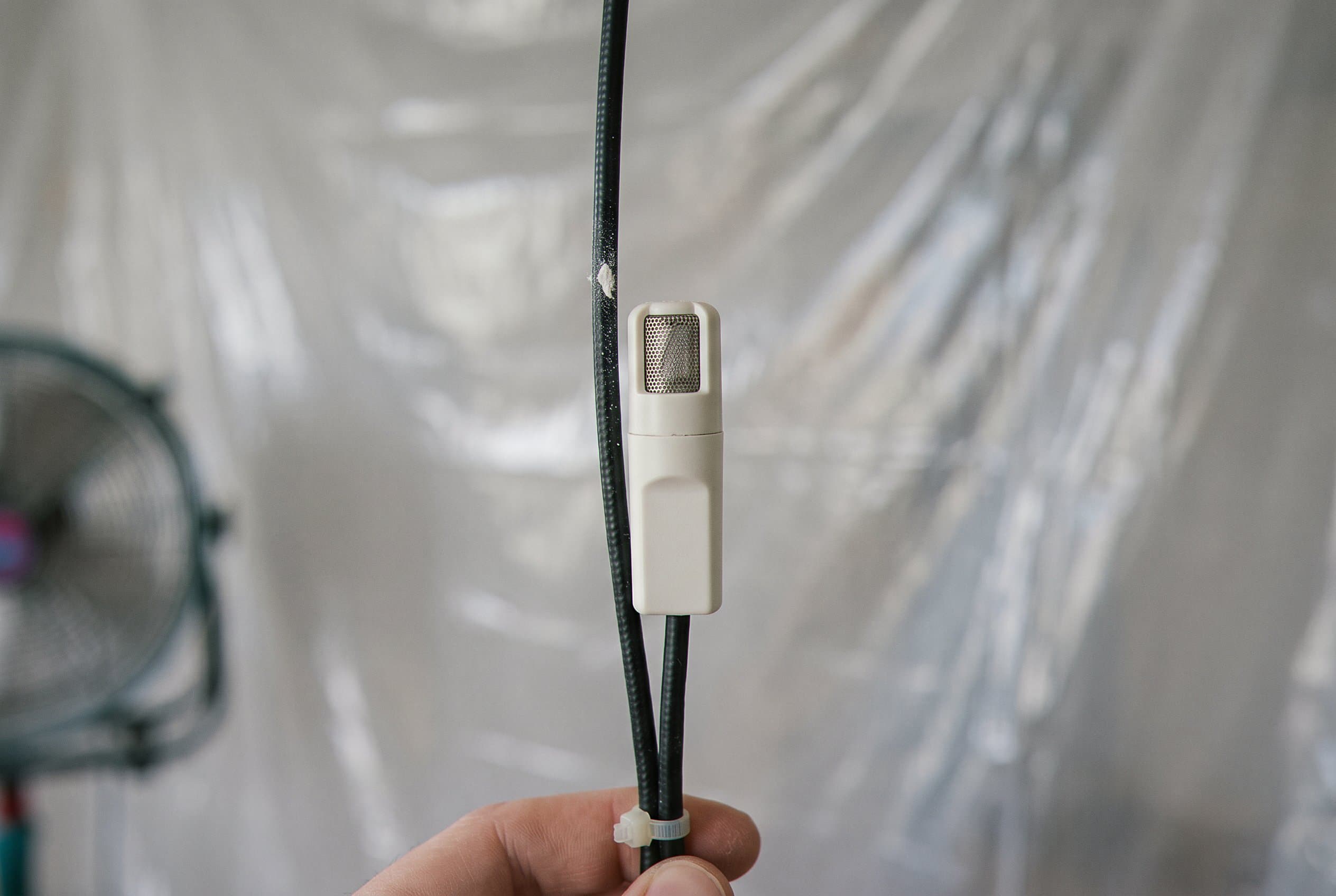
Drying a house the right way is the part most people underrate. After the standing water is gone, the real fight is the moisture you cannot see. That is the heart of Structural Drying & Dehumidification, and it is equal parts science and patience. Good water damage restoration lives or dies on this step. We place air movers to sweep air across the wet surfaces and run dehumidifiers to pull the damp straight out of the air. Wet materials give up their water into drier air, so we keep the air hungry and moving. Every day we come back, read the moisture meters, and adjust where the machines sit. The targets we dry to are not made up. They come from the IICRC, the group that writes the standards for how a building should be dried after a loss. We dry to those readings, not to a guess or a feeling. It takes a few days of patience, but it is the difference between a home that is dry and a home that just looks dry.
Storms are behind a lot of the calls we get in Overland Park. When a slow line of thunderstorms parks over Johnson County, Indian Creek and Tomahawk Creek climb their banks, the storm drains back up, and water pushes into low basements and walkout levels across town. Flood damage cleanup is its own kind of work, because storm water is almost never clean. It carries mud, lawn chemicals, sewage from an overwhelmed line, and whatever washed off the street and yard. We treat that water as a real health risk from the start. The crew pumps it out, hauls away the soaked carpet and pad and drywall that cannot be saved, and then cleans and sanitizes every surface that stays. Only after it is clean do we dry it down like any other loss. A flooded basement that is just dried without being cleaned is a problem waiting to come back. We do both, in the right order, so your lower level is safe to live in again and not just dry to the touch.
Not all water is the same water. The standard we work to — the ANSI/IICRC S500 Standard for Professional Water Damage Restoration, Fifth Edition, published in 2021 — sorts every loss into three categories. Category 1 is clean water from a sanitary source, like a broken supply line or an overflowing tub. Category 2 is gray water, significantly contaminated and capable of causing discomfort or illness: dishwasher and washing-machine discharge, sump-pump failures, seepage. Category 3 is black water, grossly contaminated and able to carry pathogenic or toxigenic agents: sewage backups, waste-line backflows, rising water from a creek. And here is the part that matters in a storm town like this one, because plenty of restoration companies get it wrong. Storm water and wind-driven rain are not automatically Category 3. The IICRC's own position is that the on-site inspection determines the category, not the source alone. We inspect first and categorize honestly. Sometimes that saves a basement from a gut-out it never needed, and sometimes it catches contamination a rushed crew would have dried right over.
Then there is the dirty water nobody wants to picture. A backed up floor drain or a failed sewer line pushes contaminated water up into the house, and that is a job for proper gear and training, not a mop and a bucket. Sewage Cleanup means we remove the waste, haul out anything porous that soaked it up, and scrub and disinfect every surface the water reached. Sewage is the riskiest water damage restoration call we run, and we follow the same health driven steps the IICRC lays out for this exact kind of loss. We wear the right protection, seal off the area so nothing spreads, and clean it to a standard you can trust your family around. You should never wade into that water yourself, and you should not try to clean it with household supplies. Call us, keep your family clear of the area, and let the crew in the right suits handle it from start to finish.
Winter brings a different kind of flood to Kansas homes. When a hard cold snap settles over Overland Park and the temperature drops and stays there, the water inside an exposed pipe can freeze, swell, and crack the line wide open. The cruel part is the timing. The leak often starts the moment things thaw, which is how a quiet weekend away turns into water pouring down a wall and across a ceiling. Burst & frozen pipe cleanup is all about speed. We find the break, stop the flow at the source, pull out the water, and dry the wall and floor cavity before mold ever gets a foothold. Caught early, a burst pipe is a bad day and a quick repair. Left for a week while you are out of town, it becomes a gut and rebuild of half the room. So if you come home to a wet wall or a ceiling that is sagging and dripping, do not wait it out. Shut the water off and call us right away.
The last piece is putting the house back together. Once the structure reads dry on the meters, we move into repair, hanging new drywall, setting trim, painting, and laying floor, so the room looks like the loss never happened. Because we did the drying, we know exactly what is behind that new wall, and we know it is dry. We can also help you get ahead of the slow leaks that do quiet damage for months. Water Leak Detection finds the hidden source behind a wall or under a slab before it ruins the cabinets and the framing. And when moisture has already led to growth, our mold remediation crew removes it at the root and corrects the damp conditions that fed it, so it does not just come back in the same corner. From the first pump to the final coat of paint, water damage restoration is what we do, and we do every piece of it ourselves. One call to our Overland Park crew gets the whole thing moving today.
Underneath all of it sits one hard fact: water damage compounds. Porous materials — drywall, insulation, carpet pad, subfloor — start absorbing the moment water touches them, and the longer they stay saturated the more structural integrity they give up. The EPA's 24-to-48-hour drying window exists because that is when the mold risk turns from possible to likely. Inside the window, the working question is usually whether we can dry a material in place. Past it, the question shifts to how much has to come out. That timeline does not negotiate, which is why we would rather roll a crew into a dark driveway at three in the morning than meet a much bigger loss at nine.
There is one more discipline we hold on every job, because it decides how the weeks after the water go: documentation. Take photos and video before anything is moved, and hold onto damaged items until your adjuster has seen them — that is what we tell homeowners, and it is the same rule we work by. We photograph before, during, and after, we log moisture readings every day of the dry-down, and you keep the complete file. A documented dry-down is what separates a scope that gets approved from one that gets argued line by line. We will also be straight about coverage: sudden and accidental water damage is covered under most homeowners policies, while flooding generally is not, and your policy — not us, not anyone's promise — decides which side of that line your loss falls on. Our job is to hand your adjuster the scope, the photos, and the moisture records they need.
How a water damage restoration job goes
Your inquiry
Call or send the short form with what is going on at your place. A sentence or two is plenty for the first step.
We talk it through
We go over the situation on the phone, ask the questions that matter, and tell you what we would do next.
A clear plan
You get a plain-language rundown of the work, the order it happens in, and what to expect on the day.
The work gets done
Our crew shows up when we said, does the job, and walks you through the result before leaving.
Water in your home? Call our Overland Park crew now.
Tell us what is going on at your Overland Park home and we will walk you through the options. One call or one short form is all it takes.
Call (913) 914-3439Make your inquiry
Looking for help at a Overland Park home? Send the short form and we get back fast during open hours: .
Start the form